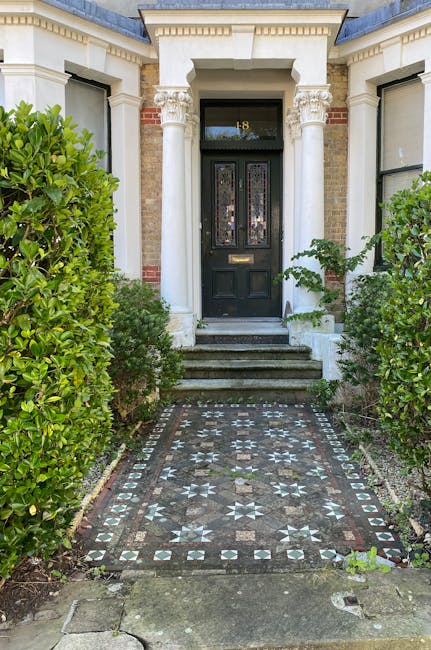
Charlton House front garden gardeners for period properties
If you own, manage, or simply care about a period home, the front garden is not a throwaway space. It is the first thing people see, the bit that sets the tone before they reach the door, and the part that quietly tells the story of the house. That is exactly why Charlton House front garden gardeners for period properties need a slightly different approach: more respect for original character, more care with proportion, and a better eye for planting that feels timeless rather than trendy.
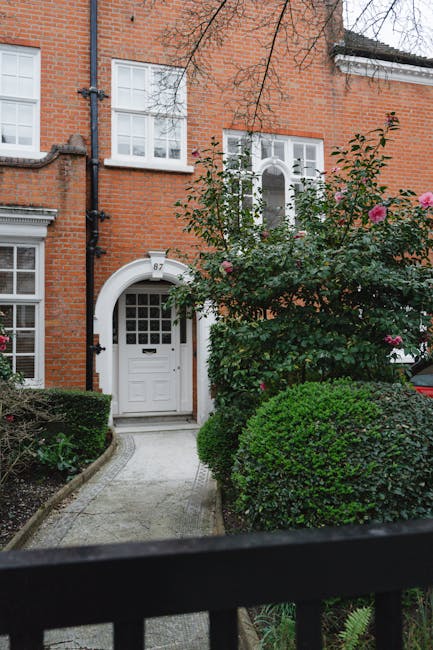
In practice, that means balancing heritage charm with everyday usability. You want the place to feel welcoming, tidy, and rooted in the building's era, but you also need it to cope with modern life, weather, and maintenance realities. This guide walks through what makes these gardens different, how they are shaped and maintained, what to avoid, and how to get a result that feels like it belongs. To be fair, the best front gardens rarely shout. They simply look right.
Why Charlton House front garden gardeners for period properties Matters
A period property front garden is not just decorative. It is part of the setting of the building, and in many cases it helps protect the whole impression of the house. The wrong hedge, an oversized shrub, or a modern layout that ignores the building's proportions can make even a beautiful house feel awkward. On the other hand, the right garden design gives the facade breathing space, frames the entrance, and helps the architecture do its job.
That is especially true around historic homes where the front garden sits close to the pavement, boundary wall, or entrance path. Small choices matter here. A clipped hedge can look formal and neat. A soft mixed border can feel gracious and lived-in. A badly chosen paving edge or a hungry climber swallowing brickwork? That can look messy very quickly, and sometimes do real damage too.
There is also the local context. In London, older houses often face drainage quirks, compacted soil, shade from trees or neighbouring buildings, and front plots that are narrower than you'd like. A good gardener understands how to work within those limits instead of fighting them. If the garden has been neglected for a while, a sensitive reset can make a surprisingly large difference without stripping the character away. If you are at that stage, the article on where to start a dormant garden refresh is a useful companion read.
How Charlton House front garden gardeners for period properties Works
The process starts with observation. A good gardener will look at the house style, the symmetry of the frontage, sun and shade patterns, soil type, drainage, boundary treatment, and what already works well. A Georgian terrace and a Victorian villa do not want the same treatment. Neither does a house with a deep front lawn compared with one that only has a narrow strip and a path.
From there, the work usually falls into a few practical stages:
- Assessment - identify the architectural style, existing planting, soil condition, and any issues with roots, shade, wind, or access.
- Clearance and reset - remove dead growth, invasive weeds, self-seeded clutter, and any plants that overpower the frontage.
- Structural shaping - trim hedges, lift canopies, define paths, and re-establish clean sightlines to the entrance.
- Plant selection - choose plants that suit the era, the light levels, and the desired maintenance level.
- Fine detailing - mulch, edge, sweep, prune, and finish so the garden reads as intentional rather than simply "tidy".
That last bit is important. A front garden can be neat but still feel wrong if the proportions are off. Experienced gardeners notice that. They know when a hedge should be lowered a touch, when a border needs more structure, or when a climber should be trained rather than allowed to roam. For homes with boundary hedging, it can also help to read up on careful hedge trimming in Charlton, because front gardens live or die by that one detail more often than people expect.
Sometimes the work also involves practical support tasks that are easy to overlook. Rain runoff, for example, can damage planting and leave front paths slippery. If drainage is an issue, a guide like sustainable rainwater harvesting and drainage can point you in the right direction while keeping the garden healthier in the long run.
Key Benefits and Practical Advantages
When period front gardens are managed well, the benefits go beyond appearance. You get a property that feels cared for, a layout that supports the architecture, and a space that is easier to maintain year-round. Honestly, that combination is what most people are really after.
- Better kerb appeal - the house looks more balanced and inviting.
- Stronger heritage character - planting and structure support the age of the property.
- Improved visibility and safety - front doors, steps, and paths stay clear.
- Lower long-term maintenance - the right plants and pruning rhythm reduce emergency work.
- Healthier planting - better soil care, drainage, and positioning improve growth.
- More usable space - even a small front garden can feel larger when it is well edited.
There is also a softer benefit, and people underestimate this: the garden changes the way you arrive home. A well-composed frontage with seasonal interest, a clean path, and a restrained palette creates a calmer first step inside. It sounds small. It isn't, really.
Where privacy or boundary structure matters, a front garden can be improved with planting that still looks period-appropriate. That might mean a low clipped hedge, a restrained evergreen screen, or a gentle layered edge rather than a hard fence everywhere. If you want ideas that feel practical and immediate, take a look at fast-growing hedges for privacy and use the ideas selectively rather than as a template.
Who This Is For and When It Makes Sense
This kind of gardening support makes sense if you own a listed or period property, manage a rental with historic features, or simply want the front garden to stop fighting the house. It is also a smart choice if you are preparing to sell and want the exterior to feel coherent rather than patchy.
You may need specialist front garden gardening if any of these sound familiar:
- The planting is overgrown and hides key architectural details.
- The garden feels too modern for the property.
- Hedges, shrubs, or climbers have become difficult to control.
- The front plot is small and every inch needs to work hard.
- There are drainage issues, compacted soil, or wind exposure.
- You want a low-maintenance look but do not want it to feel bare.
It is also a good fit if you love the idea of gardening but not the endless upkeep. Truth be told, most people do not need a huge redesign. They need a sensible, well-judged plan that keeps the house looking polished without creating a Saturday morning chore list that never ends.
If you are unsure about the wider services needed to support the frontage, it can help to compare the scope of general gardening services with more specific work such as ongoing garden maintenance and landscaping support. That way, you can decide whether the project needs light-touch care or something more structural.
Step-by-Step Guidance
If you are planning a front garden refresh for a period property, a steady sequence works better than a frantic overhaul. Here is the practical route.
- Study the house first
Look at the window placement, doorway, brickwork, railings, and any original features. The garden should frame these elements, not compete with them. - Map the front boundary
Identify where paths, beds, lawn, walls, and access points sit. Small fronts especially need clear circulation, otherwise the whole thing feels cramped. - Cut back and clear carefully
Remove dead stems, weeds, and overgrown material. If ivy is involved, be cautious. It can look romantic for about five minutes before it becomes a brick-and-gutter problem. The guide on practical ways to remove ivy is helpful if that is your situation. - Improve soil and drainage
Front gardens often suffer from poor soil after years of neglect or compaction. Add organic matter, check for puddling, and avoid planting trees too close to shallow foundations or hard surfaces. - Set the structure
Use hedging, low walls, pots, or clipped planting to create the bones of the design. For smaller spaces, containers can be useful while you test a scheme. There is a solid piece on container gardening ideas if you want to keep things flexible. - Choose period-appropriate planting
Think restrained colour, reliable evergreen presence, and seasonal interest rather than high drama. A little elegance goes a long way here. - Finish with edges and details
Sharp lawn edges, clean paving, and a tidy threshold make the garden look intentional. Sometimes that is the whole secret.
One useful habit: step back from the pavement, the gate, and the front door. Look at the garden from those three spots. What do you notice first? Is it the architecture, the planting, or the mess you meant to deal with "next weekend"? That little check saves mistakes. It really does.
Expert Tips for Better Results
Front gardens around older homes respond best to restraint. That does not mean boring. It means edited. A handful of good decisions usually beats a crowded mix of half-good ones.
- Use repetition - repeating a plant or form gives the garden calm and period charm.
- Respect sightlines - do not block windows, doorways, or the natural view from the street unless privacy is the clear goal.
- Keep the scale in check - large shrubs in small front gardens quickly look clumsy.
- Choose evergreen structure first - then add seasonal colour around it.
- Think about wind - exposed front gardens need tougher plants and sensible staking. If your site gets battered, the article on wind management in garden design is worth a look.
- Use ground cover strategically - it helps suppress weeds and soften edges without constant fuss. For plant ideas, see ground cover plants suited to UK gardens.
- Trim for shape, not just control - a hedge can be functional and still elegant. There is real skill in that.
We also find that people often improve a frontage more by removing one bad element than by adding three new ones. A cluttered pot arrangement, a tired conifer, or a hedge that has become too wide can be the thing making the whole entrance feel flat. Once it is gone, the garden starts breathing again. Slightly dramatic, maybe, but accurate.
If you need a gentle, attractive screen, evergreen climbers can work well on walls or fences, provided they are kept controlled and away from vulnerable masonry. This is especially useful for side boundaries or overlooked entries. The blog on evergreen climbers for shade is a good reference point for that.
Common Mistakes to Avoid
Older front gardens can go wrong in familiar ways, and most of them are fixable. The key is spotting them early.
- Planting for the short term only - cheap buys can create a busy look fast, then look untidy just as quickly.
- Ignoring scale - what looks fine in a nursery can overwhelm a narrow frontage once it matures.
- Letting climbers run wild - pretty in spring, problematic by late summer if unchecked.
- Using too many styles at once - a cottage border, tropical accents, hard-edged modern paving, and a formal clipped hedge can all be valid on their own. Together? Bit of a muddle.
- Neglecting drainage - standing water ruins planting and can damage paths.
- Over-pruning at the wrong time - you may remove flower buds or leave the frontage looking harsh.
- Forgetting maintenance access - if a plant can only be reached with a ladder and a prayer, it is not the right plant.
One of the most common issues is trying to make a period house look "fresh" by stripping away all softness. That usually leaves a frontage that feels cold. Better to keep some structure, a little texture, and enough planting to soften brick, stone, or render. Homes like these need texture. They really do.
Another mistake is ignoring the garden's users. A family may need a safe path and room for bins, bikes, or prams. A pet owner may need durable planting and clear boundaries. If that applies, a guide such as dog-friendly garden ideas can help you avoid the more fragile choices.
Tools, Resources and Recommendations
You do not need a shed full of fancy kit to keep a period front garden looking good, but the right tools make the work easier and cleaner. A few essentials go a long way.
- Sharp secateurs for precise pruning
- Long-handled loppers for thicker stems
- A sturdy hoe for weed control between visits
- Hand fork and trowel for planting and edging
- Rake and broom for clearing leaves from paths and gravel
- Quality gloves that still allow you to feel what you are doing
- Organic mulch to protect soil and reduce weeds
There is a helpful overview of everyday kit in tool kit essentials for gardeners. For those starting from scratch, it pairs well with the more general primer on must-have gardening essentials.
For more design-led inspiration, compare planting ideas with seating and sensory features. A front garden does not always need a bench, of course, but if space allows, a modest seat can make the entrance feel lived-in rather than merely decorative. The article on ideal garden seating is useful if you want that softer, more welcoming feel.
And if your property needs a broader reset, keep an eye on value and maintenance rather than chasing novelty. Low-maintenance does not have to mean dull. The piece on budget-friendly low-maintenance gardening has a few practical ideas that suit smaller front plots especially well.
Law, Compliance, Standards and Best Practice
For period properties, compliance is mostly about doing things carefully and respectfully. If the house is listed or lies in a conservation area, changes to the exterior may need a more cautious approach than an ordinary garden project. The exact permissions depend on the property and the nature of the work, so it is wise to check before making permanent changes to walls, paving, trees, or boundary structures.
There are also good practice considerations even where formal permission is not required. Avoid aggressive root disturbance near old masonry. Be careful with deep digging close to foundations. Do not let climbing plants trap moisture against vulnerable brickwork. And if trees are involved, especially mature ones near a frontage, it is sensible to treat them as part of the property's structure, not just as decoration.
Safety matters too. Good gardeners work neatly, keep tools secure, and minimise trip hazards during work. If you are reviewing a service provider, it is sensible to look at their insurance and safety information, plus how they handle health and safety. That is not over-cautious. It is just plain sensible.
It is also worth understanding the terms of engagement, including pricing clarity, payment security, and how complaints are handled if things do not go as expected. A reputable provider should make this straightforward, not hidden away like a bad surprise. The relevant pages are pricing and quotes, payment and security, terms and conditions, and complaints procedure.
Options, Methods, or Comparison Table
Different period front gardens call for different levels of intervention. Here is a simple comparison to help with planning.
| Approach | Best for | Pros | Trade-offs |
|---|---|---|---|
| Light-touch maintenance | Garden already suits the house | Low disruption, preserves character, lower cost | Does not fix structural design problems |
| Selective refresh | Overgrown or tired front gardens | Improves shape and balance quickly | Needs careful plant removal and replanting |
| Full redesign | Severe neglect or poor layout | Strong visual reset, better function | More planning, higher cost, more decisions |
If you are not sure which route is right, a selective refresh is often the safest middle ground. It allows you to keep what works, remove what does not, and avoid that "everyone knows it was redone last Tuesday" look. Sometimes subtle is the strongest choice.
Case Study or Real-World Example
Consider a typical Charlton period terrace with a compact front plot, an uneven path, a tired shrub at the window, and a hedge that has grown wider than anyone intended. The house itself has good proportions, but the garden is hiding them. The first impression is not awful; it is just fuzzy.
A sensible front garden gardener would start by clearing weeds, lowering the hedge to reveal the frontage, and removing the shrub that blocks light from the bay window. The path edges would be sharpened, the soil improved with compost, and a handful of well-chosen plants added for structure through the year. Not a lot, just enough. Perhaps a clipped evergreen at one side, a low flowering border at the other, and some seasonal bulbs tucked in for spring interest.
The result is not flashy. It is better than flashy. The house reads more clearly from the street, the doorway feels intentional, and the whole plot looks cared for. You walk up the path and notice the details: the brick, the frame of the door, the neat line of the planting. That is the point. Good front garden work should support the building quietly, almost politely.
In a slightly different case, a more exposed frontage might need stronger structure. A simple hedge, tougher planting, and better wind handling could be the answer. That is where a broader approach using severe-weather garden defence tactics becomes useful, especially if weather regularly knocks softer planting sideways.
Practical Checklist
Use this before, during, or after any front garden project for a period property.
- Does the planting suit the age and style of the house?
- Are key architectural features visible from the street?
- Is the path safe, clear, and easy to follow?
- Have any overgrown shrubs or climbers been assessed properly?
- Is drainage working, or does water sit after rain?
- Are the plants sized for the space at maturity?
- Is the hedge height helping rather than hiding the frontage?
- Have weeds and self-seeded growth been removed?
- Does the garden still feel welcoming, not sterile?
- Is there a simple maintenance rhythm for the next season?
Expert summary: With period properties, the best front gardens are rarely the most elaborate. They are the ones that respect the building, control the scale, and keep maintenance realistic. That balance is what makes the frontage feel graceful rather than overworked.
Conclusion
Charlton House front garden gardeners for period properties are doing more than trimming plants and clearing beds. They are shaping the first impression of a home that already has character, history, and architectural personality. The job calls for judgement, restraint, and a decent sense of proportion. A bit of hands-on skill helps too, naturally.
Whether you need a light tidy, a careful reset, or a more thoughtful redesign, the goal is the same: make the frontage look like it belongs to the house and to the street. Keep the structure clean, choose planting with purpose, and avoid the temptation to overcomplicate things. Period gardens usually reward calm hands and clear decisions.
If you are ready to improve a front garden that has drifted from its best shape, start with a clear plan and a conversation with the right local team.
Get a free quote today and see how much you can save.
And if you take nothing else from this guide, take this: a well-kept front garden does not just improve a property, it changes the feeling of coming home. That part matters more than people think.
Frequently Asked Questions
What makes a front garden suitable for a period property?
A suitable front garden usually has balanced proportions, restrained planting, and a layout that complements the building's style rather than competing with it. In most cases, the aim is to frame the house, not overwhelm it.
Do period front gardens have to be formal?
No. Formal planting often suits older homes, but not every period property needs clipped symmetry. A softer, more relaxed scheme can still feel authentic if it respects the scale and materials of the house.
How often should a front garden be maintained?
That depends on the planting and season. Many period front gardens benefit from regular light maintenance rather than occasional heavy work. Small, frequent visits usually keep them looking better with less effort.
Can I modernise a period front garden without losing character?
Yes, absolutely. The trick is to update the practical elements quietly. Better paths, healthier planting, cleaner edges, and a simpler palette can all feel modern while still preserving the property's character.
What are the biggest mistakes with period property front gardens?
Common mistakes include using plants that are too large, hiding the facade, letting climbers run unchecked, ignoring drainage, and mixing too many styles at once. The result can feel cluttered or off-balance.
Are low-maintenance period front gardens possible?
Yes. The best low-maintenance gardens often rely on evergreen structure, good mulch, well-chosen perennials, and a clear design. Low-maintenance does not have to mean plain or lifeless.
Should I remove ivy from an old house?
Not always, but it should be managed carefully. Ivy can damage vulnerable areas or trap moisture if left unchecked. If it is causing problems, it is worth dealing with it properly rather than letting it become a long-term headache.
How do I choose plants for a shaded period front garden?
Look for plants that tolerate lower light and keep some year-round structure. Shade-tolerant climbers, ground cover, and evergreen shrubs are often useful, especially where neighbouring buildings or mature trees block sun.
What if my front garden is very small?
Small front gardens benefit from simplicity. Use a limited number of plants, keep the path clear, and avoid bulky shrubs. A small space can look very elegant when it is not trying to do too much.
Do I need permission to change a period property front garden?
Sometimes, yes, especially if the property is listed or within a conservation area. The level of permission depends on the specific work, so it is sensible to check before making major or permanent changes.
Can front gardens improve drainage around older homes?
They can help, provided the soil and planting are designed with drainage in mind. Permeable surfaces, better soil structure, and smart planting choices can all reduce water issues around a frontage.
How do I know whether I need maintenance or a redesign?
If the garden already suits the house but looks tired, maintenance or a selective refresh may be enough. If the layout, scale, or planting is fundamentally wrong, a redesign is probably the better choice.
If you want to explore the people and approach behind the service, you can also read more about the team. And when you are ready to talk through your own frontage, get in touch here.