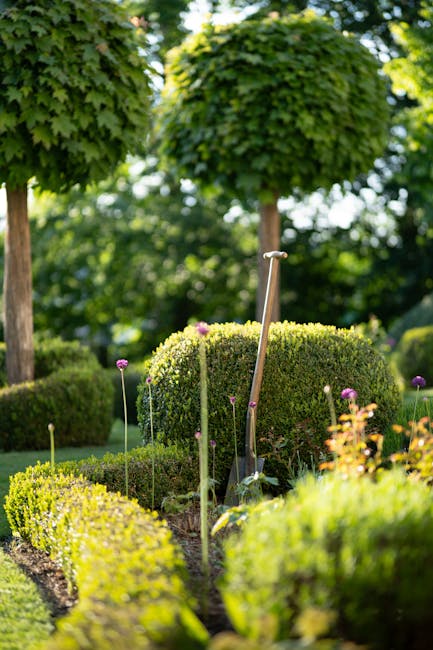
Charlton Park garden maintenance gardeners in SE7: practical, reliable help for a healthier garden
If you live near Charlton Park and your garden has started to feel like a job you never quite finish, you are not alone. Weather, shade, heavy use, patchy soil, and the general pace of London life can leave even a decent garden looking tired surprisingly quickly. That is where Charlton Park garden maintenance gardeners in SE7 make a real difference: not just by mowing and tidying, but by keeping everything moving in the right direction week after week.
In this guide, we will look at what garden maintenance actually involves, how a good local gardener works, what you should expect, and how to decide which services matter most for your outdoor space. You will also find practical tips, a comparison table, a checklist, and a few honest notes from real-world garden care situations. Nothing fluffy. Just the stuff that helps.
Expert summary: the best garden maintenance is not about making a garden look perfect once; it is about preventing small problems from turning into expensive ones. A well-kept garden is easier to enjoy, cheaper to recover, and far less stressful to live with. Simple, really. But also easy to underestimate.
Table of Contents
- Why Charlton Park garden maintenance gardeners in SE7 Matters
- How Charlton Park garden maintenance gardeners in SE7 Works
- Key Benefits and Practical Advantages
- Who This Is For and When It Makes Sense
- Step-by-Step Guidance
- Expert Tips for Better Results
- Common Mistakes to Avoid
- Tools, Resources and Recommendations
- Law, Compliance, Standards, or Best Practice
- Options, Methods, or Comparison Table
- Case Study or Real-World Example
- Practical Checklist
- Conclusion
- Frequently Asked Questions
Why Charlton Park garden maintenance gardeners in SE7 Matters
A garden in SE7 is exposed to the full mix: wet winters, dry spells, occasional wind, shade from mature trees or nearby structures, and compacted ground where people and pets walk the same routes again and again. That combination can be hard on lawns, borders, hedges, and hard landscaping. If the garden is not maintained regularly, it does not just look untidy; it starts to change shape in ways that are harder to reverse later.
Local maintenance is especially useful near Charlton Park because gardens in the area often need a balanced approach. Some spaces are small and formal, where clean edges and regular pruning matter. Others are family gardens that need to handle play, clutter, muddy shoes, and the odd football to the plant bed. A gardener who understands that balance can keep things neat without stripping the garden of character.
There is also a practical side that people forget. Overgrown hedges can block light. Weeds can spread into borders and paving joints. Poor drainage can leave lawns soft and mossy. And if you leave ivy or self-seeded shrubs for too long, they become a proper nuisance. If that sounds familiar, the issue is not lack of care; it is usually lack of time and structure.
That is why many homeowners and landlords prefer ongoing support rather than emergency clean-ups. Regular visits let a skilled gardener spot problems early and deal with them before they snowball. A small cut now saves a bigger cut later. A bit of weeding now saves a full border rescue in six weeks. In real life, that matters.
If you are comparing local options, it is worth exploring the broader garden maintenance service alongside related work such as lawn care and hedge trimming in Charlton, because the best results usually come from joined-up care rather than one-off jobs.
How Charlton Park garden maintenance gardeners in SE7 Works
Good garden maintenance is more systematic than most people expect. It normally begins with a look at the garden as a whole, not just the obvious patch of lawn or the weeds by the fence. A gardener will usually assess growth patterns, access, seasonal pressure points, and what the owner wants the space to feel like. Neat and low-fuss? Lush and colourful? Child-friendly? Easy to clean after rain? The answer affects the work plan.
In a typical maintenance visit, the gardener may carry out some or all of the following:
- grass cutting and edging
- weed removal from beds, paths, and drives
- hedge trimming and light shaping
- pruning of shrubs and perennials
- deadheading and general plant tidy-ups
- leaf clearance and seasonal debris removal
- patio, decking, and pathway cleaning
- mulch or soil conditioning where needed
- checking for pest, disease, or drainage issues
The exact mix depends on the season. Spring and summer often lean toward growth management and flowering support. Autumn is about clearing, reducing damage, and preparing for wetter weather. Winter can be quieter, but it still matters: structural pruning, leaf management, and protecting vulnerable plants all help the garden recover well in spring.
One thing to remember: maintenance is not the same as redesign. A gardener can improve the look and function of a space without changing its layout. If you do want bigger alterations, that usually becomes a broader project involving landscaping or, for specific features, services such as decking services, fencing, or even tree surgery.
That distinction helps avoid disappointment. A tidy-up is a tidy-up. A redesign is a redesign. They can work together, but they are not the same thing, and it is best to be clear from day one.
Key Benefits and Practical Advantages
People often think of garden maintenance as cosmetic. Fair enough, because a neat garden does look better. But the practical benefits are usually more valuable in the long run.
- Healthier planting: regular pruning, feeding, and weed control help plants use water and nutrients more efficiently.
- Less catch-up work: small, regular jobs are easier and cheaper than rescue work after months of neglect.
- Better use of space: clearing dead growth and keeping access open makes the whole garden feel larger.
- Safer walkways: clean patios, controlled moss, and trimmed edges reduce slip risks and trip hazards.
- Improved kerb appeal: useful for homeowners, landlords, and anyone thinking ahead about resale or rental presentation.
- Seasonal resilience: a garden that is maintained well tends to cope better with storms, heat, and dry spells.
There is also a quiet emotional benefit that people do not always mention. A garden that is under control feels easier to step into. You notice the scent of cut grass, the cleaner lines along the path, the room around each plant. It is calmer. You are more likely to sit out with a cup of tea rather than staring at a list of jobs in your head.
For many households, regular maintenance is also the difference between "somewhere nice to go" and "something to deal with later". That might sound dramatic, but let's face it, neglected outdoor spaces can become mentally draining. A proper maintenance plan takes that weight off your shoulders.
If you are trying to keep costs sensible, it can help to read practical planning advice like budget-friendly gardening ideas and organic waste recycling for healthier soil. Small choices add up.
Who This Is For and When It Makes Sense
Not every garden needs the same level of care. Some properties need weekly attention. Others just need a reliable monthly reset. The right maintenance pattern depends on how fast the garden grows, how often it is used, and what you want from it.
This service makes sense if you are:
- a busy homeowner who wants the garden to stay presentable without weekend catch-up jobs
- a landlord or letting agent needing consistent external presentation
- a family managing a high-use garden with children, pets, or both
- someone with a mature garden that now needs pruning, clearing, and better structure
- a new homeowner who has inherited an overgrown or neglected outdoor space
- an older resident who wants the garden maintained safely and reliably
It also makes sense if you have tricky conditions. Shade-heavy gardens, windy corners, narrow side returns, and gravel or paving areas with persistent weeds all benefit from a more regular rhythm. In shade, for example, you might need smarter planting choices. A helpful read is evergreen climbers for shady spots, which shows how to keep interest going in difficult conditions.
One small but common scenario: someone moves into a property in SE7 and thinks, "We'll sort the garden later." Then summer arrives, the lawn has thinned, the hedges have surged, and the patio is slippery. That is exactly when maintenance support feels less like a luxury and more like a rescue. Not glamorous, but very useful.
Step-by-Step Guidance
If you are deciding how to approach garden maintenance in Charlton Park, here is a sensible way to think about it. No jargon, just a process that works.
- Walk the garden properly. Look for the places where growth gets away from you, where water sits, where weeds return fastest, and where the garden feels messy first.
- Separate urgent from routine. A hanging branch, blocked path, or overgrown hedge is different from general planting tidy-up. Deal with the immediate issue first.
- Decide the garden's purpose. A family play space needs different maintenance from a quiet seating area or a low-maintenance rental garden.
- Choose a schedule. Weekly, fortnightly, monthly, or seasonal visits each suit different gardens. The more growth, the more regular the care needed.
- Match tasks to the season. Spring is for clearing and encouraging growth; summer for control and shaping; autumn for tidying and protection; winter for structure and planning.
- Use the right treatment for each surface. Lawn mowing is not the same as patio cleaning, and neither is the same as hedge work or soil care.
- Review the results after a few visits. A good plan should make the garden easier to manage, not just prettier for a day.
If you are not sure where to begin, start with the most visible problem. Usually that is the lawn, hedge line, or patio. A tidy edge changes how the whole garden feels. Strange but true.
For practical tools and garden basics, the garden essentials guide is a helpful companion. And if your garden is simply in need of a reset, the article on refreshing a dormant garden is worth a look.
Expert Tips for Better Results
In our experience, the difference between "fine" garden maintenance and really good maintenance often comes down to details people overlook. A few examples:
- Trim for structure, not just neatness. A hedge should keep its form and density, not just its height.
- Leave breathing room around plants. Air movement reduces damp-related issues and helps borders look less crowded.
- Keep an eye on drainage. If water lingers after rain, maintenance should include a plan for that. See also sustainable drainage and rainwater harvesting ideas.
- Don't let ground cover bully the border. Good ground cover is useful, but it needs boundaries. The guide on ground cover plants for UK gardens is a solid reference point.
- Think about the edges and the thresholds. The garden feels tidier when paths, beds, and lawn edges all work together.
Another good habit is seasonal note-taking. Nothing fancy. Just a few lines on what grew too quickly, what stayed weak, what got attacked by weeds, and which corner stayed damp. That record becomes surprisingly useful the second year round. A bit nerdy? Maybe. Helpful? Absolutely.
If privacy is a concern, maintenance can support that too. The article on fast-growing hedges for immediate privacy is useful if you want green screening without waiting forever.
Common Mistakes to Avoid
Most garden headaches come from a handful of repeat mistakes. The good news? They are avoidable once you know what to look for.
- Waiting too long between visits. By the time the garden looks "bad", the actual repair time is usually much higher.
- Cutting everything too hard. Heavy-handed pruning can stress shrubs and spoil their shape.
- Ignoring small weeds. Small weeds are not small for long.
- Using one approach for every area. Lawns, borders, patios, and hedges each need different care.
- Forgetting waste removal. Piles of clippings and branches make a garden feel half-finished.
- Choosing appearance over practicality. A very tidy garden can still be awkward to use if access, drainage, or shade were ignored.
One more thing: do not assume that all "tidying" is equal. Clearing ivy from a fence is not the same as controlling ivy in a border. If invasive growth is part of the issue, this guide on practical ivy removal approaches will give you a better sense of what is involved.
And yes, if a gardener says a job is simple, ask what they mean by simple. Garden work has a funny habit of becoming less simple once you lift the first layer of leaves.
Tools, Resources and Recommendations
Good maintenance depends on using the right equipment and not trying to improvise with the wrong one. A reliable gardener will normally work with tools suited to the task, and for homeowners it helps to know what the basics are.
Useful tools often include:
- sharp hand secateurs for fine pruning
- loppers for thicker stems
- hedge trimmers for shaping
- lawn mowers and edging tools
- forks and rakes for clearing and aerating
- weeding tools for root removal
- brushes or pressure-based cleaning methods for hard surfaces, used carefully
- gloves, eye protection, and sturdy footwear
The right method matters as much as the tool. For example, using aggressive cleaning on old paving or delicate decking can cause damage rather than improvement. If you are unsure, it is better to ask than guess. That sounds obvious, but people do it all the time.
For more context, see the article on tool kit essentials, which is a handy guide for understanding what a well-prepared gardening setup looks like. If you are interested in a greener and more self-sufficient garden routine, the piece on home gardening and climate-conscious choices also adds useful perspective.
Service-wise, homeowners often combine garden maintenance with lawn mowing, patio cleaning, or broader gardening services so the whole outdoor space stays in sync.
Law, Compliance, Standards, or Best Practice
Garden maintenance is not usually a heavily regulated service for the homeowner, but there are still sensible standards and responsibilities that matter. For example, anyone carrying out work should act safely, work carefully around property boundaries, and avoid creating hazards for residents, visitors, or neighbours. That includes managing tools properly, clearing waste responsibly, and being cautious with trees, walls, fences, and access routes.
In practice, best practice usually means:
- working safely with hand tools and powered equipment
- taking care around slippery surfaces, uneven ground, and hidden debris
- handling green waste in a tidy and environmentally sensible way
- communicating clearly about what is included in the job
- respecting privacy, access, and neighbour boundaries
- being honest about when specialist work is needed, such as major tree work or structural repairs
For larger or riskier tasks, such as significant tree pruning or working near unstable branches, it is sensible to involve a professional service that understands the practical and safety side of the job. That is one reason many people keep insurance and safety information close to hand when comparing providers. It is not glamorous, but it matters.
There are also trust points that should not be ignored: clear terms, fair payment handling, and a straightforward complaints process. A service that explains these properly usually feels easier to deal with all round. You can review terms and conditions, payment and security, and the complaints procedure to understand how a professional outfit structures its work.
Also, if you want to know more about the people behind the service, a quick look at about us can be reassuring. Trust is built in small ways, not slogans.
Options, Methods, or Comparison Table
Different gardens need different levels of support. The best choice depends on how much growth you have, how much time you have, and how neat you want things to stay between visits.
| Approach | Best for | Typical strengths | Possible downside |
|---|---|---|---|
| One-off tidy-up | Overgrown gardens, move-in refreshes, pre-event clean-ups | Fast visible improvement, good for a reset | Growth returns quickly without follow-up care |
| Regular maintenance visits | Busy households, rental properties, planted gardens | Steady control, fewer big problems, easier planning | Requires ongoing scheduling and budget commitment |
| Seasonal maintenance | Lower-growth gardens, established spaces, simpler outdoor areas | Good value, practical for low-use gardens | May not be enough for fast-growing or high-use spaces |
| Maintenance plus specialist support | Gardens with trees, fencing issues, heavy shading, or structural wear | More complete care, better long-term condition | Can be more complex to organise |
If you are on the fence, start with a tidy-up and then move into routine care if the garden responds well. That is often the easiest way to judge what the space actually needs. Truth be told, some gardens are over-serviced, while others are ignored until they become a project.
Case Study or Real-World Example
Imagine a typical SE7 back garden near Charlton Park: a modest lawn, two mixed borders, a hedge along one side, paving near the house, and a little shaded section at the back where nothing seems to thrive. After a wet winter and a busy spring, the grass is patchy, the hedge is leaning into the path, and weeds have settled between the slabs. The owners want the garden to feel usable again, but they do not have the time for a full redesign.
A sensible maintenance plan would begin with clearing the paving, cutting the lawn, and reshaping the hedge. The borders would be weeded and lightly mulched, then the shaded area would be assessed for better plant choices or maybe a ground-cover solution. If the patio is slippery, that gets addressed too. Very quickly, the space becomes easier to walk through and easier to enjoy.
Now, this is the part people often miss: once the garden is back under control, the next few visits are calmer and cheaper than the first one. Instead of fighting a tangle, the gardener is maintaining balance. That is the sweet spot. You notice it when you step outside on a damp morning and the whole space just feels less tense, somehow.
For gardens with difficult corners or exposed areas, the right planting and design choices can make maintenance easier later on. Useful reads include wind management in garden design, creative hedge trimming ideas, and ideal seating for outdoor sanctuaries. Small design decisions can reduce a lot of ongoing work.
Practical Checklist
Use this quick checklist before booking or starting a maintenance plan:
- Walk the garden and note the main problem areas
- Decide whether you need a one-off tidy-up or regular visits
- List priority tasks: lawn, hedge, weeds, patio, borders, waste removal
- Check whether any trees, fences, or hard landscaping need specialist attention
- Think about shade, drainage, and access issues
- Ask what is included in the quote and what is not
- Confirm how often the garden will be revisited
- Review insurance, safety, and payment details
- Keep a simple note of what changes after the first visit
- Reassess after a season, not just after one tidy session
Quick takeaway: if a garden is making life harder instead of easier, maintenance is usually the fastest way to get back control. Start with the most visible problem, then build a routine that suits the space rather than fighting it every few months.
If you want to get a sense of the range of support available, it may also help to compare garden maintenance, lawn care, and patio cleaning as separate but complementary parts of the same overall plan.
Conclusion
Charlton Park garden maintenance gardeners in SE7 do more than tidy up. They help keep outdoor spaces healthy, manageable, and pleasant to use through the year. That matters whether you own a compact back garden, manage a rental property, or simply want to stop the weeds from winning every single season.
The strongest maintenance plans are sensible, not overcomplicated. They combine regular attention, practical scheduling, and a clear understanding of what the garden actually needs. A lawn that is cut on time, a hedge that stays in proportion, a patio that remains safe underfoot, and borders that are not swallowed by weeds - these things change how a garden feels day to day. Quietly, but very noticeably.
And if you are still deciding what kind of support suits your space, take it one step at a time. A proper local gardener can help you build a routine that works with your garden, not against it. That is the real win, honestly.
Get a free quote today and see how much you can save.
There is something deeply satisfying about stepping into a garden that feels cared for. Not perfect. Just looked after. That is enough, and often better.
Frequently Asked Questions
What do Charlton Park garden maintenance gardeners in SE7 usually do?
They usually handle regular upkeep such as mowing, hedge trimming, weeding, pruning, leaf clearance, border tidying, and basic patio or path cleaning. The exact service depends on the garden and the schedule you choose.
How often should garden maintenance happen?
It depends on growth, use, and season. Fast-growing gardens may need weekly or fortnightly care, while simpler spaces can often be maintained monthly or seasonally. A local gardener can help you judge the right rhythm.
Is one-off garden maintenance enough?
It can be, especially if the garden just needs a reset. But if the space grows quickly or is used heavily, regular maintenance usually gives better long-term results and fewer big jobs later.
Can garden maintenance include hedge trimming and lawn care?
Yes, often it can. In many cases, hedge trimming and lawn mowing are part of a wider maintenance plan, especially where presentation and seasonal growth control matter.
What if my garden is overgrown?
That is usually where a maintenance service is most useful. A first visit may involve a bigger tidy-up to restore shape, followed by regular care to keep everything under control. It is much easier after the first clear-out, to be fair.
Do I need maintenance if I already have a landscaping design?
Yes, often you do. Landscaping creates the structure, but maintenance keeps it functioning. Even a beautiful design will lose its edge if hedges, lawns, weeds, and hard surfaces are left unchecked.
What should I ask before booking a gardener?
Ask what is included, how often visits are recommended, whether waste is removed, how payment works, and whether the work is insured. It is also smart to ask whether the service covers specialist tasks or only general maintenance.
Can maintenance help with drainage or damp patches?
It can help identify the problem and keep things from getting worse. For deeper issues, a gardener may suggest adjustments such as soil improvement, clearing blocked routes for water, or exploring practical ideas like rainwater handling and drainage support.
Is patio cleaning part of garden maintenance?
It often is, especially if the patio has moss, algae, or general dirt build-up. Clean paving makes the whole garden feel safer and more finished. It also helps reduce the slip factor after wet weather.
What is the difference between garden maintenance and lawn care?
Garden maintenance is the broader service covering the whole outdoor space. Lawn care is more specific and focuses on grass health, cutting, feeding, scarifying, edging, and repairing weak patches. Many gardens need both.
How can I keep costs sensible?
Keep the garden's priorities clear and avoid overcomplicating the brief. Regular care usually costs less than repeated rescue work, and combining tasks like mowing, weeding, and hedge trimming can be more efficient than booking separate visits all the time.
How do I know if a gardener is trustworthy?
Look for clear communication, realistic expectations, safety information, understandable terms, and a proper complaints process. A trustworthy gardener explains what they do and what they do not do. That transparency matters more than flashy promises.
Should I choose maintenance or a full garden makeover?
If the garden is basically sound but messy, maintenance is usually the right place to start. If the layout no longer works, drainage is poor, or the space needs a complete new function, then a broader redesign may be more appropriate.