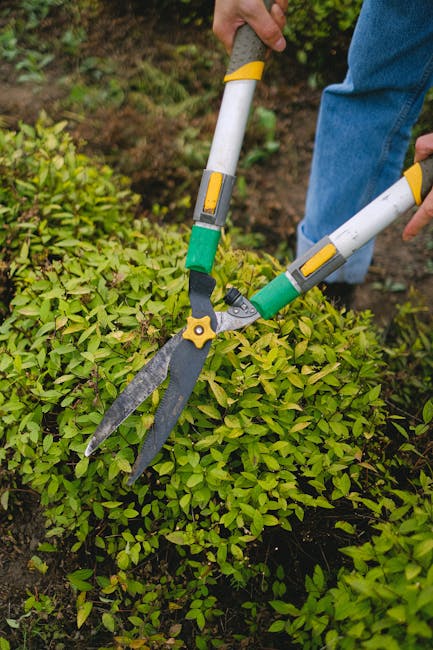
Gardeners for The Valley homes quick tidy and hedge care
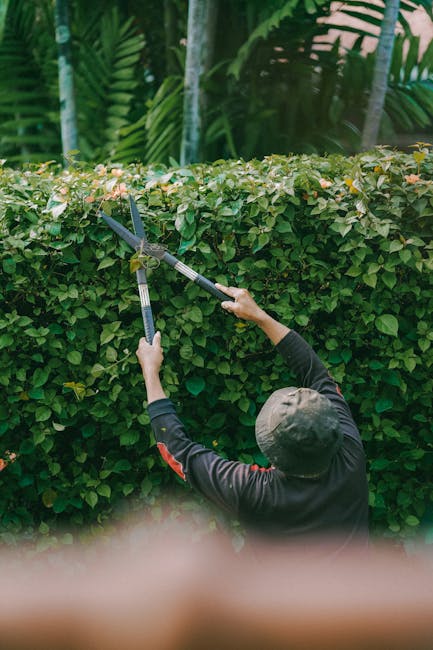
If your garden has gone from "nearly there" to "where do we even start?", you are not alone. Busy homes in The Valley often need a fast, tidy reset rather than a full redesign: clipped hedges, cleared borders, neater edges, and the kind of practical garden care that makes everything look instantly more put together. Gardeners for The Valley homes quick tidy and hedge care is exactly that kind of service: focused, efficient, and sensible for people who want the outside of the house to feel calm again without turning it into a week-long project.
In this guide, we'll look at what a quick tidy actually includes, why hedge care matters so much to the overall look and health of a garden, and how to decide what work is worth doing now versus later. We'll also cover the common mistakes that cause more hassle than they solve. Truth be told, a small amount of good garden work goes a long way. Sometimes it's the difference between a space that feels cluttered and one that feels like home.
- Why quick tidy and hedge care matters
- How the service works
- Key benefits and practical advantages
- Who it is for and when it makes sense
- Step-by-step guidance
- Expert tips for better results
- Common mistakes to avoid
- Tools, resources and recommendations
- Law, compliance and best practice
- Options and comparison table
- Case study or real-world example
- Practical checklist
- Conclusion
- Frequently asked questions
Why Gardeners for The Valley homes quick tidy and hedge care Matters
A garden doesn't need to be perfect to look good, but it does need a little structure. Hedges are often the backbone of that structure. When they're shaggy, uneven, or overreaching onto paths and driveways, the whole property can feel less cared for, even if the rest of the garden is in decent shape. That's why quick tidy work and hedge care are such a smart pairing.
For many Valley homes, the priority is not a grand landscaping project. It's the everyday stuff: making a front garden look welcoming, stopping hedges from swallowing narrow spaces, getting rid of low-level clutter, and clearing the bits that make maintenance feel harder than it should. A tidy garden also changes how you use it. Suddenly the seating area feels usable again, the lawn edges are visible, and you can see where the next improvement should happen.
There's also a practical side. Overgrown hedges can block light, trap damp, and make access awkward. In tighter residential layouts, that can become more than cosmetic. If you've ever tried to squeeze a bin, wheelbarrow, or a child's bike past a hedge that's decided it owns the path, you'll know exactly what I mean. A good trim brings the garden back into proportion.
For homeowners who want seasonal guidance too, related reading like where to initiate a refresh of your dormant garden can help you understand how to sequence tidying work so it feels manageable instead of overwhelming.
How Gardeners for The Valley homes quick tidy and hedge care Works
In practice, a quick tidy is usually a focused visit that targets the visible issues first. That means the work starts with assessment: what needs cutting back, what needs clearing, what can wait, and what might need more specialist attention. It is efficient, yes, but it should never be careless. Good gardeners know the difference.
Typical quick tidy work often includes:
- light to moderate hedge trimming and shaping
- clearing leaves, twigs, dead growth, and general debris
- strimming around borders, paths, and fence lines
- refreshing edges for a sharper finish
- checking for hedge damage, disease, or encroachment
- removing obvious weeds in the areas being tidied
Hedge care can be as simple as maintaining the current shape or as involved as restoring a hedge that has lost balance over time. The best approach depends on species, season, and how hard the hedge has been allowed to run. A laurel hedge, for instance, behaves very differently from a beech hedge or a fast-growing conifer screen. One size never fits all, and a decent gardener will say so plainly.
In more involved cases, hedge work may be paired with wider maintenance. If the garden has become cluttered all over, it can make sense to combine hedge care with garden maintenance, especially when the aim is to bring the whole space back under control in one visit rather than drip-feed small jobs for months.
Key Benefits and Practical Advantages
The obvious benefit is appearance. A neat hedge and a cleared garden instantly make the property feel looked after. But the real value goes a bit deeper than that. Homeowners usually discover that good tidying reduces the sense of visual noise, which in turn makes the garden more enjoyable to use. The space feels breathable again.
Other practical advantages include:
- Better light penetration: careful hedge reduction can let more daylight into windows and planting beds.
- Clearer access: paths, gates, and bins become easier to reach.
- Healthier growth: regular hedge care supports denser, more even regrowth.
- Lower maintenance pressure: a small tidy now often prevents a much larger job later.
- Safer movement: clear edges reduce trip hazards and awkward squeeze-points.
There's a behavioural benefit too. It's odd, but true: once a garden is tidier, people use it more. You step outside with a cup of tea. You notice the planting. You sit down for ten minutes in the afternoon because, well, it feels inviting. That little shift matters more than people think.
If privacy is part of the reason you're considering hedge work, it can also help to read ideas for fast-growing hedges for immediate privacy. That kind of planning helps homeowners decide whether to maintain what they have or replace sections with something more suitable.
Who This Is For and When It Makes Sense
This kind of service suits a surprisingly wide range of homes. It's not just for people who have "let the garden go". In fact, many tidy-up visits are booked by careful homeowners who simply want things reset between seasons, before a property sale, after a long holiday, or ahead of a family event. A garden can look respectable and still need a proper refresh.
It makes particular sense if:
- your hedges are growing unevenly or shading windows
- the front garden looks scruffy but doesn't need redesigning
- you need a quick, practical improvement before visitors arrive
- you want to maintain privacy without losing control of height
- you have limited time and need someone to handle the blunt work
- you want a tidy base before planning bigger changes later
For some households, the issue is scale rather than neglect. A small urban garden can look messy very quickly because every leaf and clipping is visible. In a larger space, the problem is usually drift: each month adds a little more growth until the hedge line looks softer than intended. Either way, the fix is the same in principle-get the structure back.
If the garden is family-focused, the tidy-up can be a useful first step before adding play-friendly, lower-maintenance planting. A guide like nurturing imagination through a child-friendly garden can help if you want to think beyond maintenance and towards usability.
Step-by-Step Guidance
If you're organising a tidy and hedge care visit, or simply deciding what work should happen first, this sequence usually makes sense.
- Walk the garden first. Look at the hedge line, borders, access points, and any areas where growth is blocking light or movement.
- Decide the priority. Is the main issue height, width, shape, or general mess? Sometimes it's all four, but there is usually one main culprit.
- Identify anything sensitive. Check for nesting birds, fragile plants, hidden cables, irrigation lines, or awkward surfaces close to the hedge.
- Clear loose debris. A quick gather of litter, broken stems, and fallen leaves makes trimming easier and cleaner.
- Trim the hedge to a controlled shape. Work gradually rather than taking too much off at once. This is where experience matters a lot.
- Finish edges and access routes. The garden often looks best when paths, corners, and fence lines are made crisp too.
- Remove waste properly. Don't leave a neat hedge surrounded by clippings. That defeats the point a bit, doesn't it?
- Review the result. Step back and check sight lines, balance, and whether the hedge is still doing its job for privacy and shelter.
A useful extra step is to think seasonally. If the hedge is vigorous, it may need more regular maintenance than a slower-growing one. A one-off tidy can improve things a lot, but it's the follow-up rhythm that keeps the garden from slipping back.
Expert Tips for Better Results
Small details make the difference between a hedge that has merely been cut and a hedge that looks properly cared for. In our experience, the best results come from restraint and timing. A tidy should enhance the garden's shape, not flatten it into something lifeless.
1. Trim for structure, not just speed
It's tempting to rush through hedge work and simply reduce the bulk. But a hedge that is cut too aggressively can look thin at the sides and heavy at the top. A slightly tapered shape is usually more stable and more attractive, because the lower growth gets enough light.
2. Avoid "one heavy chop" thinking
If a hedge has overgrown, it rarely benefits from a dramatic cut in one go. That can leave bare patches and a long recovery period. A more measured approach usually gives the plant a better chance to respond well.
3. Match the work to the species
Some hedges tolerate repeated shaping very well. Others prefer a lighter touch. If you're not sure what you're dealing with, identifying the hedge type first saves trouble later. It's a boring step, perhaps, but a smart one.
4. Use the tidy to reveal hidden problems
Once growth is reduced, you can spot ivy intrusion, weak stems, rot, or fence issues more easily. That's often when homeowners realise the hedge care job is also protecting the structure behind it. For stubborn climbers, practical approaches to removing ivy can be a genuinely helpful next step.
5. Keep drainage in mind
Wet ground near hedges can affect roots and access, especially during a damp spell. If your borders tend to stay soggy, it may be worth thinking about water movement as well as cutting. The article on sustainable drainage and rainwater harvesting offers a useful perspective on that wider garden picture.
Common Mistakes to Avoid
Most hedge and tidy problems come from either overconfidence or delay. Both are understandable. Hedges look manageable right up until they aren't. Then the job suddenly feels bigger than expected. Classic garden behaviour, really.
- Cutting too hard too fast: this can leave hedges patchy and stressed.
- Ignoring nesting season considerations: wildlife checks matter, especially in the UK.
- Leaving clippings behind: they make even a neat hedge look unfinished.
- Trying to solve everything with hedge trimming: not every issue is a trimming issue.
- Forgetting the base: if the bottom of the hedge is neglected, it often becomes leggy or weak.
- Using poor tools: blunt or unsuitable tools create rough cuts and extra strain.
Another common mistake is treating a quick tidy as if it must include every task in the garden. Sometimes that leads to a rushed, half-finished result. A better plan is to do the visible priorities properly, then decide what deserves the next visit. Simple, but effective.
Tools, Resources and Recommendations
You don't need a giant toolkit for a tidy garden, but you do need the right basics. Good tools reduce damage to plants and make the finish much cleaner. If you're doing parts of the work yourself before or after a professional visit, the essentials are fairly straightforward.
- hand shears for lighter shaping
- hedge trimmer for larger, even surfaces
- loppers for thicker stems
- gloves with decent grip
- tarpaulin or sacks for clippings
- rake and broom for final clean-up
- basic secateurs for detailed cuts
For homeowners who like to keep a small maintenance routine going, a practical reference such as tool kit essentials for every devoted gardener can help you avoid buying gear you will barely use. There's no prize for owning six versions of the same pair of shears.
It also helps to think about what other services the garden may need in future. If the hedge work exposes bigger layout problems, you might later consider landscaping support, fencing, or even a cleaner finish on hard surfaces with patio cleaning. Those are not always needed, of course, but they can be the logical next step when a garden has been brought back to life.
Law, Compliance, Standards, or Best Practice
For hedge care in the UK, the most important rule of thumb is to check for wildlife before cutting, especially during bird nesting season. If active nests are present, trimming should be delayed or adjusted. That is basic good practice and, frankly, a matter of common sense as much as courtesy.
It's also sensible to work safely around boundaries, public footpaths, shared access routes, and neighbouring gardens. If branches or hedge growth reach beyond your property, it is better to approach the job carefully and communicate clearly, rather than treating the hedge like it's in a private vacuum. A decent gardener will keep this tidy and professional.
When work becomes physically demanding or involves ladders, power tools, or awkward hedge heights, safety standards matter. Reputable providers usually have clear procedures for safe working, especially on jobs with access issues or uneven ground. You can review the company's approach through pages such as health and safety policy and insurance and safety information if you want extra reassurance before booking.
For payment expectations, customer rights, and general service terms, it is worth checking the relevant policies rather than assuming every provider works the same way. Pages like terms and conditions, payment and security, and complaints procedure help set clear expectations. That sort of transparency is a good sign. No one enjoys surprises after the hedge is done.
Options, Methods, or Comparison Table
Homeowners usually choose between a quick one-off tidy, regular hedge maintenance, or a broader garden refresh. Each has a place, depending on the condition of the space and how much control you want to keep over future growth.
| Approach | Best for | Strengths | Limitations |
|---|---|---|---|
| Quick tidy | Overgrown edges, seasonal refresh, immediate visual improvement | Fast, practical, restores order quickly | Not a substitute for ongoing care |
| Regular hedge maintenance | Hedges that grow quickly or define the garden boundary | Prevents major overgrowth, keeps shape consistent | Needs scheduling and follow-up |
| Full garden maintenance visit | Gardens that need more than cutting and clearing | Covers a wider range of jobs in one session | Usually takes longer and may cost more |
| Targeted hedge care only | Homes where the hedge is the main issue | Cost-efficient and focused | Other garden problems remain untouched |
If you are unsure which option fits best, start with the visible problem. Is the hedge making the whole place feel untidy? Or is the issue actually weeds, borders, and path edges? The answer usually tells you where to begin. Simple question, but a useful one.
Case Study or Real-World Example
Here's a realistic scenario. A small terraced home in The Valley has a front hedge that has grown wider than intended, with a back garden border that has become busy with leaf litter, stray stems, and a few persistent weeds. Nothing dramatic. Just enough to make the property feel slightly tired every time the owner comes home.
A quick tidy starts at the front. The hedge is reduced to a more balanced line, the base is cleared, and the path edges are neatened. That alone changes the feel of the house. From the pavement, the garden suddenly looks intentional rather than accidental. Out back, the focus shifts to clearing debris, tightening the border edges, and removing the growth that had started to spill into the sitting area.
By the end of the visit, the owner isn't left with a "perfect" garden. That's not the point. But the space is clearly back in control, and the next maintenance decision becomes much easier. They can now see whether they want more planting, better seating, or just a simple monthly upkeep routine. That's the real win: clarity.
It is often at this stage that people start thinking about the garden in a different way. Maybe a seating nook would finally work. Maybe a shady corner needs better planting. Maybe the hedge should stay, but be kept lower next time. A tidy opens up options. That's why it matters.
Practical Checklist
Use this quick checklist before booking or carrying out garden tidy and hedge care work:
- Identify the main issue: hedge height, width, mess, access, or visibility
- Check if any hedges are affecting light, paths, or windows
- Look for signs of nesting birds or wildlife activity
- Decide whether you need a one-off tidy or ongoing maintenance
- Clear loose items from the work area before cutting starts
- Make sure tools are suitable and in good condition
- Plan for waste removal rather than leaving clippings behind
- Inspect boundary areas, fence lines, and hidden problems after trimming
- Ask whether the job should include edging, weeding, or border clearing
- Book the next visit before the hedge gets away from you again
Expert summary: the best quick tidy jobs are not the most aggressive ones. They are the ones that restore shape, improve access, and make the garden easier to live with next week, next month, and next season. That's the sweet spot.
Get a free quote today and see how much you can save.
Conclusion
Gardeners for The Valley homes quick tidy and hedge care is about more than making things look presentable for a day or two. Done properly, it brings back shape, light, and order. It gives you a garden that feels easier to live with and simpler to maintain. And for many busy households, that is exactly what is needed.
If your outside space has started to feel a bit unruly, the answer is probably not a massive reinvention. It may just need the right trim, the right clear-up, and a sensible plan for what comes next. A garden can recover quickly when someone gives it proper attention. You'll notice the difference straight away. So will everyone who walks up to the front door.
Frequently Asked Questions
What does a quick garden tidy usually include?
It usually covers hedge trimming, light pruning, clearing leaves and debris, edging borders, and making the space look neat again. Some visits also include weed removal and waste clearance, depending on the condition of the garden.
How often should hedges be trimmed?
That depends on the hedge type and how fast it grows. Some hedges need attention a few times a year, while slower-growing ones may only need a lighter seasonal cut. If the hedge defines privacy or light levels, regular maintenance is usually worth it.
Is hedge care different from hedge trimming?
Yes. Trimming is the act of cutting and shaping. Hedge care is broader and can include checking plant health, keeping growth balanced, managing the base, and preventing the hedge from becoming too wide or woody.
Can a quick tidy help if my garden is really overgrown?
Yes, but only up to a point. A tidy can make a huge difference visually, even in a neglected space. If the growth is very heavy, though, it may need a staged approach rather than one dramatic cut.
Will hedge trimming damage my plants?
It can if it is done too harshly or at the wrong time. Careful trimming, matched to the hedge species and season, usually supports healthy regrowth. That is why experienced gardeners tend to work gradually.
Do I need to worry about birds nesting in hedges?
Yes. In the UK, it is good practice to check for nesting birds before cutting hedges or shrubs. If nesting is active, work should be postponed or adjusted to avoid disturbance.
What should I do before the gardeners arrive?
Move fragile items, patio furniture, toys, and anything that blocks access. It also helps to point out any areas of concern, such as hidden cables, weak fence panels, or sections of hedge you want kept lower.
Is it better to book maintenance or a one-off tidy?
If the garden is currently messy or the hedge is out of shape, a one-off tidy is a good reset. If the same issues keep returning quickly, maintenance is usually the smarter long-term option.
Can hedge care improve privacy?
Yes, if it is managed thoughtfully. Keeping hedges dense, healthy, and at a sensible height helps preserve screening. Sometimes the solution is maintenance rather than replacement, and sometimes a different hedge species is better.
How do I know if the hedge is affecting my neighbours?
If it is spilling over boundaries, blocking light, or making shared access awkward, it may be time to trim it back. Good communication helps, especially where hedges sit close to dividing lines or front paths.
What happens to the clippings after a tidy-up?
That depends on the service, but responsible garden work should include a plan for waste removal or collection. Leaving cuttings in place usually makes the garden look unfinished and can also smother borders.
Where can I learn more about related garden services?
You can explore wider support such as gardening services, lawn mowing, and lawn care if the tidy-up reveals other areas that need attention. If you want to understand who is behind the work, the about us page is a sensible place to start.