What to know about urgent tree surgery gardeners Charlton
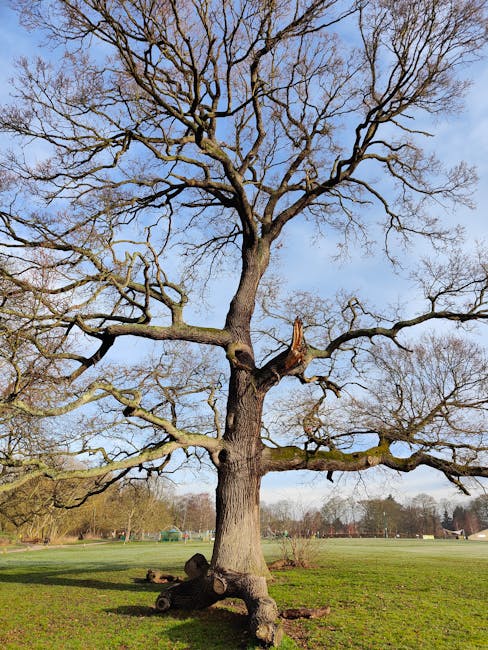
If a tree is leaning after a storm, a limb is cracking above the path, or a branch is rubbing against a roof in that awkward, worrying way, you do not want vague advice. You want a clear plan. That is exactly where urgent tree surgery gardeners Charlton comes in. This guide explains what to expect, how emergency tree work is handled, what makes a job genuinely urgent, and how to choose a team that can act quickly without cutting corners. If you live locally, or manage a garden in Charlton, this is the sort of situation where calm, practical judgement matters more than fancy promises.
Tree problems often look simple from the ground, but they can hide decay, storm damage, unstable roots, or a chain reaction waiting to happen. To be fair, most people only notice the issue once something has already moved, snapped, or started to drop. In this article, you will learn how urgent tree surgery is assessed, what work may be carried out on the day, how pricing is usually approached, and which safety checks should always come first.
Why urgent tree surgery matters
Urgent tree surgery is about risk control first, appearance second. That sounds blunt, but it is the truth. A damaged tree can fail in stages: a cracked limb, a split trunk, root movement, or even smaller falling debris that keeps coming down after every gust. In a built-up place like Charlton, where gardens often sit close to fences, sheds, pavements, parked cars, and neighbours' roofs, the margin for error is small.
When a tree becomes unsafe, the issue is not only the tree itself. It can affect access, insurance conversations, boundary disputes, and the safety of anyone passing underneath. A swift response can reduce the chance of further damage and can also make the next steps much easier to manage. Sometimes a tree can be stabilised or partly reduced. Sometimes it has to come down. The point is that a quick, informed assessment gives you choices.
One thing people often underestimate is how fast conditions can change after wind or heavy rain. A tree that looked "fine enough" at lunch can look very different by early evening, especially if the crown has started moving more than the stem. If you are also dealing with drainage issues, waterlogged soil, or a garden that stays soggy after rain, it is worth looking at wider garden conditions too. For background on managing rainwater sensibly, the article on setting up a sustainable drainage system is a useful companion read.
How urgent tree surgery works
In practice, urgent tree surgery is a triage process. A gardener or tree surgery team will usually want to know what happened, when it happened, and whether anything is currently at risk. Photos help. A lot. A clear picture of the branch, the trunk, the base, and the surrounding area often tells a story before anyone has even arrived.
From there, the work normally falls into one of a few paths:
- Immediate make-safe work for unstable limbs, broken branches, or hazardous overhangs.
- Sectional pruning or reduction to remove load and stop further tearing.
- Emergency dismantling if the tree cannot be made safe in place.
- Follow-up surgery once the immediate danger has passed.
A responsible team will not leap straight into cutting just because the call feels urgent. They will first look at access, ground conditions, weather, overhead cables, proximity to structures, and whether the tree is still actively moving. That pause is a good sign, not a delay for its own sake.
In some gardens, a problem tree is tangled with ivy or obscured by dense growth, which makes the risk harder to read. If that sounds familiar, it may help to understand how climbers can hide issues; the piece on practical approaches to ivy removal explains why visibility matters before surgery starts.
Key benefits and practical advantages
The obvious benefit is safety. But there is a wider set of advantages that matter just as much once the dust settles.
- Reduced danger to people and property. A damaged limb over a path is not a problem to leave until next week.
- Better control over the tree's future. Early intervention can sometimes preserve a tree that would otherwise need complete removal.
- Less collateral damage. Swift action can protect fences, patios, sheds, and nearby planting.
- Cleaner recovery. Prompt clearance of debris helps the garden return to normal sooner.
- Clearer decision-making. When an expert explains what is broken and what is still structurally sound, you can plan properly rather than guessing.
There is also a quieter benefit that people appreciate more than they expect: peace of mind. You can sleep, quite literally, without staring at the ceiling wondering whether that cracked branch will hold through the night. It sounds small until you are the one living with it.
For homes where the garden has already taken a beating from wind, rain, or unsettled weather, it can be useful to think beyond the tree alone. The broader garden layout may need strengthening too, and that is where advice on defending gardens against severe weather becomes relevant.
Who this is for and when it makes sense
Urgent tree surgery is not only for dramatic storm damage. It is for anyone facing a tree-related hazard that cannot safely wait. That includes homeowners, landlords, property managers, letting agents, and businesses with outdoor areas or car parks.
It usually makes sense when you notice one or more of the following:
- A split, hanging, or partially detached branch
- A tree leaning more than usual after strong wind
- Fresh cracks in the trunk or major limbs
- Roots lifting, heaving, or exposing soil movement
- Branches touching roofs, glazing, service lines, or neighbouring structures
- Sudden canopy loss or a large limb failure
- Repeated falling debris that creates a hazard beneath the tree
Sometimes the issue is less dramatic but still urgent. For instance, a tree may be stable for now, but one large limb is resting in a way that could fail with the next gust. That is the kind of situation people often delay on. Then the wind picks up again and suddenly it is not a "maybe" anymore.
If the work is really about overgrown access or boundary issues, you may also need related garden services afterward. In those cases, checking the wider options through gardening services can help you think beyond the immediate fix.
Step-by-step guidance
Here is the most practical way to handle an urgent tree issue without muddling the situation.
- Keep people away. Move family members, pets, and visitors out of the risk zone first. If the branch is over a driveway or gate, stop using that route.
- Look without going underneath. Take photos from a safe distance. Do not stand directly below a hanging limb to get a better shot. It is not worth it.
- Note what changed. Was there a storm? Did the tree move? Did you hear a crack? Simple details help the responder understand urgency.
- Ask for an urgent assessment. Explain the hazard clearly and say whether the tree is blocking access, touching a structure, or threatening to fall.
- Expect a safety-first visit. The first job is often to make the site safe, not to finish every tidy-up detail in one go.
- Discuss the options. A good team should explain whether the tree can be pruned, reduced, braced, or whether dismantling is the realistic route.
- Plan the clean-up. Confirm what happens to timber, brash, and debris. It saves a lot of confusion later.
- Review any follow-up work. Sometimes replanting, hedge repairs, or fencing repairs are the next step, not an afterthought.
A tiny tip from experience: have one person in the household be the main contact. Urgent jobs get messy fast when three people are calling, each with a slightly different story. One line of communication keeps things calm.
Expert tips for better results
If you want a better outcome from urgent tree surgery, the little details matter more than people think.
Be clear about the risk, not just the tree
Say exactly what the tree might hit: roof, fence, driveway, neighbouring property, play area, shed, or public footpath. That context changes the urgency.
Share access details early
Narrow side access, locked gates, awkward steps, steep slopes, and soft ground all affect how quickly work can be done. The team can plan gear and crew size more accurately if they know in advance.
Be wary of "quick fixes" that ignore structure
Not every cut solves the problem. A tree can lose load but still remain poorly balanced. You want a fix that addresses the cause, not just the visible symptom.
Think about the garden around the tree
Branches falling can damage groundcover, seating, borders, and access routes. If the surrounding planting is part of the issue, an article like ground cover ideas for UK gardens can be useful for rebuilding a resilient space after the immediate danger is dealt with.
Ask about ongoing tree health
After the urgent work, it is sensible to ask whether the tree needs a later inspection, seasonal pruning, or monitoring. Some trees recover well after reduction. Others need watching. Simple as that.
Common mistakes to avoid
When a tree feels urgent, people understandably rush. Still, a few mistakes come up again and again.
- Going too close. A cracked branch does not send a polite warning before dropping.
- Waiting for "one more day". If the tree is already unstable, delay can turn a manageable job into a much bigger one.
- Assuming every gardener can handle the hazard. General garden maintenance and urgent tree surgery are not the same thing.
- Focusing only on price. Cheapest is not always safest, and in emergency work that matters.
- Ignoring nearby structures. A branch may not hit the house, but it might still snap a fence, gutter, or shed roof.
- Skipping photos and notes. Bad records can make insurance discussions or neighbour conversations harder later.
And yes, sometimes the mistake is simply hoping the tree will "settle down". Trees are lovely. They are not usually great at calming themselves after storm damage.
Tools, resources and recommendations
For emergency tree work, the right tools and resources make a real difference. Not glamorous, just practical.
- Inspection tools: binoculars, torch, camera phone, and a safe distance.
- Access tools: ladders, harness systems, lowering gear, and barriers where needed.
- Cutting and control tools: chainsaws, pruning saws, rigging equipment, and chippers, used by trained operators.
- Clean-up support: tarps, grabbers, waste transport, and protective gloves.
- Admin resources: photos, notes, insurance documents, and any previous arboricultural reports.
If you are building a broader garden improvement plan after the urgent job, it can help to look at services that support the whole outdoor space. For example, lawn care may be useful once heavy equipment has passed through and the ground needs recovery.
For people who like to be organised, the article on tool kit essentials for devoted gardeners is a handy companion, especially if you want to keep the garden manageable after a stressful incident.
Law, compliance, standards and best practice
Urgent tree surgery is not just about cutting wood. In the UK, it also touches safety, responsibility, and sometimes local rules. Exact requirements can vary depending on the tree, the site, and whether the tree is protected, but a careful contractor should always work with due regard for safety and property boundaries.
Best practice usually includes:
- Assessing the hazard before work begins
- Using appropriate PPE and safe access methods
- Checking for signs of structural weakness, decay, or instability
- Taking care around overhead utilities and restricted access points
- Working within any relevant conservation, preservation, or property constraints
- Keeping the customer informed about what can and cannot be done safely
It is also sensible to ask whether the business has insurance and follows formal health and safety processes. That is not overcautious. It is basic due diligence. If you want to understand the kind of standards a reputable provider should follow, the pages on insurance and safety, health and safety policy, and terms and conditions are worth reviewing before you commit.
For pricing transparency, it helps to read the provider's pricing and quotes guidance. Emergency work can vary a lot depending on access, time of day, equipment needs, and whether the job is a quick make-safe or a full dismantle. A proper quote should explain the moving parts clearly.
Options, methods and comparison table
Not every urgent tree problem needs the same response. Here is a simple comparison to help you understand the typical routes.
| Method | Best used for | Pros | Limitations |
|---|---|---|---|
| Make-safe pruning | Broken or hanging branches that still leave the tree viable | Fast, targeted, often preserves the tree | May need follow-up work later |
| Reduction | Heavy canopy loading, wind-prone crowns, or overhang risk | Reduces strain and can improve balance | Must be done carefully to avoid overcutting |
| Sectional dismantling | Severely damaged or unstable trees | Controlled removal in awkward spaces | More involved and usually more costly |
| Full removal | Dead, dangerous, or non-recoverable trees | Eliminates immediate hazard | Loss of canopy, shade, and habitat |
| Follow-up maintenance | After the urgent job, once the site is stable | Helps prevent repeat issues | Not a substitute for emergency action |
Sometimes the best choice is a blend. For example, a team may make the site safe first, then return later for a fuller tidy-up or reshape. That staged approach is often the most sensible one, especially where access is tight or the tree is partly interwoven with other planting.
Case study or real-world example
Here is a realistic scenario, stripped of drama but very familiar. A homeowner in Charlton notices a mature tree in the back garden after a windy night. One large branch has split but not fully fallen, and it is resting awkwardly over the lawn and part of the boundary fence. By morning, the branch is moving a little in the breeze, which is usually the bit that pushes people from "I'll keep an eye on it" to "I really should do something".
The first step is photos from the patio door and side access, not from underneath. The team is then told there is a fence below, a narrow access gate, and a neighbour's shed close by. On arrival, the priority is to secure the area, assess the split, and remove the unstable section in a controlled way. Once the immediate risk is gone, the remaining crown is checked for other fractures. A later visit is arranged for clean-up and a more measured pruning plan.
What went well in this kind of situation? The owner acted early, kept people away, and gave precise information. That made the job safer and smoother. It sounds simple because it is simple. The hard part is doing the calm thing when the tree looks alarming and everyone wants an instant answer.
Afterward, the property owner decided to review the rest of the garden too, including hedge shape and boundary screening. That is often how emergency work opens the door to better long-term garden care. If privacy planting matters as part of the recovery, the guide on fast-growing hedges for immediate privacy may help with next-step planning.
Practical checklist
Use this checklist if you suspect you need urgent tree surgery gardeners Charlton support.
- Keep everyone clear of the tree and its drop zone
- Do not stand under a hanging branch
- Take photos from a safe distance
- Note any storm, impact, or sudden movement
- Check whether access gates, driveways, or paths are blocked
- Look for obvious signs of cracking, leaning, or root lift
- Tell the contractor about nearby structures, cables, or fences
- Ask what the immediate make-safe plan is
- Confirm how debris will be removed
- Ask whether follow-up pruning or inspection is recommended
- Review insurance, health and safety, and payment details before agreeing to the work
- Keep all notes and photos in case you need them later
Expert summary: If a tree is already damaged, unstable, or threatening property, the right move is not to wait for a perfect moment. Make the area safe, get a proper assessment, and choose the least invasive solution that still removes the danger.
If you are weighing up whether a tree issue is truly urgent, it usually helps to speak to a team before the weather changes again. A short conversation can save a long, expensive headache later. If you are ready to talk through the situation, you can get in touch with the Charlton team here and explain what you are seeing.
Conclusion
Urgent tree work is one of those garden issues that rewards fast thinking and careful judgement in equal measure. The right response is rarely the loudest one; it is the one that makes people safe, protects the property, and gives the tree the fairest possible assessment. In Charlton, where outdoor spaces can be compact and boundaries are close, that balance matters even more.
So if you have a branch hanging over the path, a tree leaning after wind, or a trunk that suddenly looks different from yesterday, do not shrug it off. Ask for an urgent assessment, keep the area clear, and take the next sensible step. That is how you turn a stressful moment into a manageable one. Honestly, that little bit of calm can change everything.
Get a free quote today and see how much you can save.
Frequently Asked Questions
What counts as an urgent tree surgery problem?
An urgent problem is usually anything that could fail soon or is already creating a safety risk, such as a split branch, a leaning tree after a storm, root movement, or a limb overhanging a roof or walkway.
Do I need emergency tree surgery if the branch is still attached?
Yes, possibly. A branch does not need to fall completely before it becomes dangerous. If it is cracked, hanging, or moving in the wind, it should be assessed quickly.
Can a gardener deal with urgent tree surgery, or do I need a specialist?
For genuine tree hazards, you usually want someone with tree surgery experience rather than a general garden maintenance visit. The risk profile is different, and the equipment often is too.
How quickly should urgent tree surgery gardeners Charlton respond?
It depends on the hazard, weather, access, and workload, but a responsible team should be able to prioritise the risk, make contact promptly, and advise on the safest next step.
Will the whole tree always need to be removed?
No. Some trees only need make-safe pruning, reduction, or sectional removal of one failing limb. Full removal is only one option, and not always the first one.
What should I do before the tree surgeon arrives?
Keep people and pets away, avoid standing beneath the tree, and take photos from a safe distance. If there is obvious danger to a roof, fence, or access point, mention that when you call.
How much does urgent tree surgery usually cost?
Costs vary depending on access, the size and condition of the tree, how quickly the work must be done, and whether the job is a small reduction or a full dismantle. A clear quote should explain what is included.
Can weather delay urgent tree work?
Yes, sometimes. Very high winds, lightning, or extremely poor ground conditions can change what is safe on the day. A good contractor will tell you when conditions are too risky.
Do I need to worry about insurance?
If the tree has already caused damage, or if the work is connected to a claim, insurance may matter. It is sensible to keep photos, notes, and any written advice, and to check the provider's insurance information.
What if the tree is near a fence or neighbour's property?
That makes careful planning even more important. The contractor should account for the neighbouring structure, safe drop zones, and any access constraints before work begins.
Is tree surgery different from hedge trimming or general garden work?
Very much so. Tree surgery involves structural risk, controlled cutting, and often specialist equipment. Hedge trimming and routine garden care are useful, but they are not substitutes for emergency tree work.
Can urgent tree surgery help prevent future problems?
Often, yes. A prompt reduction or clean-up can stop a split from worsening, reduce wind load, and highlight other issues before they become more expensive or dangerous.
What if I am not sure whether the tree is actually dangerous?
If you are unsure, treat it as potentially risky until it has been checked. Take photos, keep clear, and ask for an assessment. When in doubt, caution is the sensible option. No prize for guessing wrong there.
Where can I learn more about the company before booking?
It is sensible to review pages such as about the team, complaints procedure, and payment and security so you know how the service is organised before any urgent work begins.