020 3744 3778
Protect Your Plants: 3 Tips for Weed Management
Posted on 17/06/2025
Protect Your Plants: 3 Tips for Weed Management
Weeds can be the bane of every gardener's existence, stealing valuable nutrients, water, and sunlight from your cherished plants. Without an effective weed management strategy, even the healthiest gardens risk being overrun by these pesky invaders. Whether you are cultivating vegetables, ornamentals, or a luscious green lawn, understanding how to control weed growth is essential for the success of your plants.
In this comprehensive guide, we'll walk you through three essential tips for controlling weeds in your garden. Each tip is designed to help you safeguard your plants and maintain a thriving, weed-free landscape. By implementing prioritised methods of weed management, you can enjoy healthier plants, higher yields, and less time spent battling unwanted greenery.
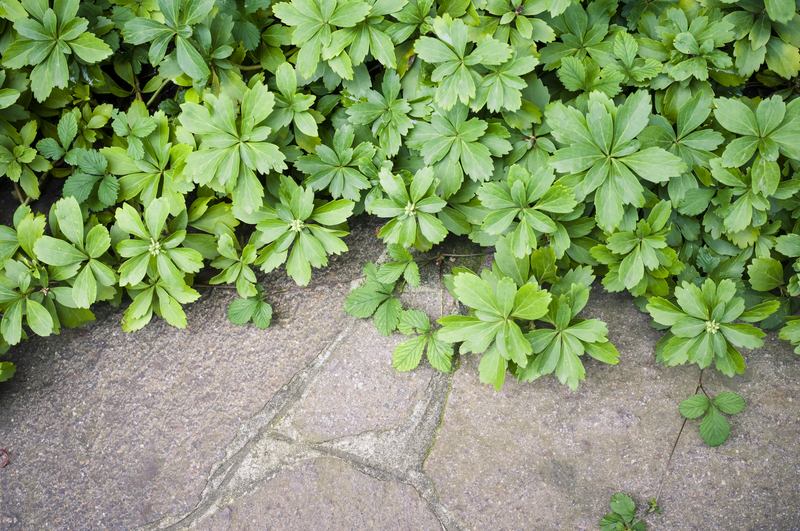
Why Weed Control is Crucial for Healthy Plants
Before diving into the practices for effective weed management, it's important to understand why weed control matters. Weeds compete with your chosen plants for vital resources including water, nutrients, and light. They can also harbor pests and diseases, potentially spreading problems throughout your garden.
- Nutrient Competition: Weeds often grow quickly and efficiently, absorbing the majority of nutrients in the soil and depriving your intended plants.
- Water Thieves: In dry climates or during drought, weeds can drastically reduce the amount of water available for your crops or flowers.
- Shading and Crowding: Dense weed growth can shade out your plants, impacting their photosynthetic ability and slowing their overall growth.
- Pests and Diseases: Certain weeds act as hosts to insects and pathogens that may then attack your desired plants.
- Reduced Aesthetics: A garden choked with weeds loses its beauty and the joy that comes from a well-kept landscape.
In short, proper weed management isn't just about appearances--it's about giving your plants every possible advantage to thrive. Now, let's explore the three top tips for weed control every gardener should know.
Tip 1: Monitor & Remove Weeds Regularly
Consistent Vigilance Is Key
One of the most effective ways to protect your plants from weed encroachment is ongoing vigilance and regular removal. Weed control is far easier when you catch infestations early. Letting weeds go unchecked can result in their rapid spread, as many common garden weeds reproduce both by seed and underground runners.
- Inspect Weekly: Make it a habit to monitor your garden at least once a week. Look for new weed seedlings and signs of invasive plants encroaching on your beds.
- Remove Early: The younger the weed, the easier it is to pull out--roots will be shallow and the weed less established.
- Remove the Whole Root: When hand-pulling, make sure to get the entire root system, especially for perennial weeds like dandelions and bindweed. Any leftover roots can regenerate.
- Dispose Properly: Don't compost weed seeds or roots unless you're sure your compost gets hot enough to kill them. Bag and remove mature weeds to avoid reseeding your garden.
Tools for Mechanical Weed Management
Investing in the right tools can make weed removal less of a chore:
- Hand Weeder: Great for targeting specific weeds in flower beds or vegetable patches.
- Hoe: For slicing off young weeds at the soil surface and disturbing their growth cycle.
- Garden Gloves: Quality gloves protect your hands and provide the grip needed for stubborn weeds.
- Long-handled Tools: These help you tackle larger weed patches without straining your back.
Remember: The sooner you address emerging weeds, the less time and effort you'll need to control them. Regular monitoring is one of the most fundamental weed prevention tips for every gardener.
Tip 2: Apply Mulching for Natural Weed Suppression
Why Mulch Works Wonders
Mulching is a top organic strategy in weed management. A thick layer of mulch acts as a physical barrier, blocking weed seeds from sunlight and preventing their germination. Mulch also retains soil moisture, stabilizes soil temperatures, and adds vital organic matter as it decomposes--providing additional benefits beyond just weed suppression.
Types of Mulch for Maximum Weed Prevention
- Organic Mulches: These include straw, bark chips, shredded leaves, grass clippings, compost, or newspaper. They break down over time, enriching the soil.
- Inorganic Mulches: Materials such as landscape fabric, black plastic, or gravel do not decompose and are highly effective for stubborn or persistent weed problems.
Applying Mulch Correctly:
- Depth: 2 to 4 inches of mulch offers ideal coverage. Thinner layers won't suppress weeds effectively, while thicker layers can suffocate plant roots.
- Replenish Annually: Organic mulches decompose over time, so adding fresh material each year keeps your weed barrier strong.
- Keep Mulch Away from Stems: Leave a small gap around the base of your plants to prevent rot and discourage pests.
- Weed Before Mulching: Always remove existing weeds before laying down mulch for best results.
Pro tip: Cardboard or several layers of newspaper topped with organic mulch creates an even more impermeable weed barrier. This dual-layered method both blocks sunlight and smothers weed seeds that may be lurking below the surface.
When and Where to Use Mulch
- Vegetable Beds: Keep your produce weed-free and retain soil moisture.
- Flower Gardens: Protect ornamental plants while enhancing aesthetics.
- Pathways: Prevent weed invasion in walkways and reduce maintenance.
- Trees and Shrubs: Mulch rings around your trees help reduce grass and weed competition around their root zones.
Mulching is one of the best eco-friendly weed control strategies available. Not only does it suppress weeds, it also improves your soil, encouraging stronger and healthier plant growth.
Tip 3: Use Smart Planting and Ground Cover Strategies
Dense Planting to Outcompete Weeds
One effective long-term approach to weed management is to minimize open soil by maximizing plant density. Weeds thrive in bare patches, so filling your beds with closely spaced crops, flowers, or ground covers can help shade out potential weeds and starve them of resources.
- Succession Planting: Plan your plantings so there is rarely any time when the soil is bare. As one crop finishes, start another in its place.
- Interplanting: Grow compatible plants close together--such as lettuce between tomato plants--to cover soil and limit weed emergence.
- Crowd-Planted Beds: For flowers or ornamentals, arrange plants in clusters rather than in rows to minimize exposed soil.
Ground Covers: Nature's Living Mulch
Certain low-growing plants are ideal for suppressing weeds:
- Clover: Fixes nitrogen while crowding out unwanted plants in lawns and orchards.
- Vinca minor (Periwinkle): An evergreen ground cover perfect for shady garden areas.
- Thyme, Ajuga, and Sedums: Provide dense foliage for sunny spots and reduce weeding needs.
Benefits of Using Ground Covers:
- Block sunlight to the soil and prevent weed sprouts
- Reduce water evaporation, enhancing moisture retention
- Improve soil structure and organic content
- Add visual interest to garden beds and slopes
Tip:
Choose non-invasive, appropriate species for your region, as some aggressive ground covers can themselves become a management issue. Always monitor their spread.
Crop Rotation & Cover Crops for Weed Reduction
Rotating different crops and using cover (green manure) crops can disrupt weed cycles. Legumes and fast-growing cereals not only outcompete weeds but also add nutrients back into the soil, creating an unfavorable environment for many unwanted plant species.
- Cover Crops: Such as winter rye or buckwheat, grown in the off-season, suppress weeds while improving soil quality.
- Rotation: Changing what you plant in a given area each year prevents the buildup of weeds and pests adapted to specific crops.
Bonus: Organic and Chemical Weed Control Methods
Organic Weed Management Techniques
In addition to physical and cultural strategies, you can also try organic weed management options such as:
- Boiling Water: Pour directly on weeds in driveways or hardscaped areas.
- Vinegar Sprays: Use with caution on sunny days and only on unwanted plants. Avoid valuable garden plants.
- Flame Weeding: Special torches can target weeds in pathways and gravel areas without chemicals.
Chemical Weed Control
While organic methods are preferable, sometimes chemical weed control may be necessary for severe infestations. Selective herbicides can target broadleaf weeds in lawns, while non-selective weedkillers can clear large areas prior to planting. Always use chemicals responsibly:
- Read and follow label instructions carefully.
- Apply on calm days to avoid drift to desirable plants.
- Store chemicals out of reach of children and pets.
- Rotate modes of action to prevent herbicide resistance.
Conclusion: Prioritise Weed Management for Plant Health
Effective weed control is the cornerstone of any successful garden or landscape. By incorporating these top three weed management tips--regular monitoring and removal, strategic mulching, and smart planting with ground covers--you empower your plants to thrive with minimal competition. You'll save valuable time, reduce the need for chemicals, and enjoy a more beautiful, productive, and sustainable garden for seasons to come.
Ready to get started? Remember these key takeaways:
- Be proactive: Don't wait for weeds to take over--act early and often.
- Layer defenses: Combine mulching, dense planting, and regular monitoring for comprehensive weed control.
- Prioritise plant health: Protect your investment by keeping weeds at bay and encouraging robust plant growth.
By following these practical weed management strategies, you'll cultivate a healthy, lush garden--one that delights the eyes and nourishes the soul!
Frequently Asked Questions on Weed Management
- Q: What is the most effective way to remove weeds without chemicals?
- A: Regular hand-pulling and hoeing, before seeds mature, is the best non-chemical approach for weed control.
- Q: How often should I apply mulch for weed prevention?
- A: Replenish organic mulch annually or as it decomposes. Inspect for thin areas or spots where weeds emerge.
- Q: Are ground covers effective for all types of gardens?
- A: Yes, provided you choose the right species for your site. They're especially useful in borders, under trees, and on slopes.
Take action now to protect your plants: Set a schedule for weed monitoring, source quality mulch, and plan your next round of plantings to reclaim your garden from weeds for good!
Latest Posts
Cultivate stunning orchids with expert guidance
Tool Kit Essentials for Every Devoted Gardener
From Gardens to Global Impact: Fighting Climate Change at Home